Trust
Inside our expert verification process
License lookups, identity checks and domain assessments — how we vet every contributor.
Trust & Safety·July 28, 2026·9 min read
License lookups, identity checks and domain assessments — how we vet every contributor.
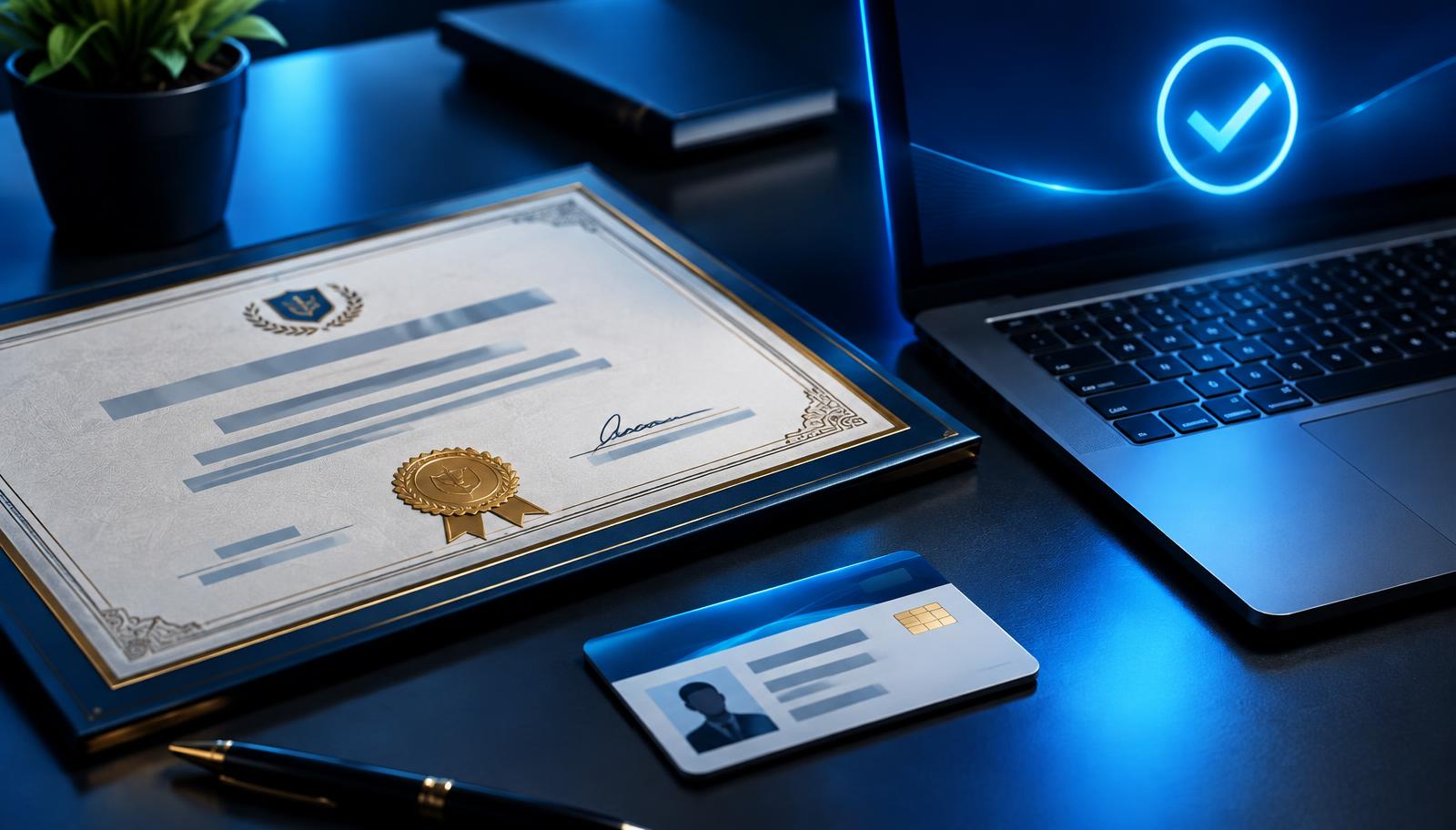
Short answer: every ExpertAIData contributor goes through credential verification, an identity check, and a practical skills assessment before receiving paid work — and their standing keeps being measured after that through agreement with peer experts.
Verification protects everyone. AI teams need to know the person grading their legal model is actually a lawyer. Experts need to know they're competing with genuine peers, not anonymous accounts. And end users of AI benefit when the data behind it is trustworthy.
Experts apply with their profession, credentials, experience, languages and the task types they want. This lets us match people to work they're qualified for from day one.
We verify professional licenses against the issuing authority wherever public registries are available. For U.S. healthcare providers, for example, we check the NPPES NPI Registry run by the Centers for Medicare & Medicaid Services. Other professions have their own registries — state bar directories for attorneys, state boards of accountancy for CPAs, and engineering licensing boards — and where an automated lookup isn't available, our team reviews documentation manually.
A credential only means something if it belongs to the person using it. An identity check confirms the applicant is who they say they are and matches the name on their credential.
A short, practical assessment confirms working knowledge — not just a credential on paper. Results place experts into tiers, which determine the complexity of tasks they're offered.
Verification isn't one-time. On every task, an expert's answers are compared with peers through blind consensus. Agreement statistics and adjudication outcomes continuously update each expert's standing, so the best reviewers rise to the most demanding work.
Verification involves sensitive information, so we collect only what's needed, use it only for verification and matching, and restrict access. Read more on our trust page.
Every label can carry provenance: the reviewer's verified credential, tier and agreement history. That makes datasets easier to audit and defend under frameworks like the NIST AI RMF.
Credentials, identity and skills — verified up front and measured continuously. If you're a professional who wants to train AI, start your application.